Restaurants & F&B Groups
We help fine dining restaurants apply AI to reservation optimization, wine program management, guest profiling, and service choreography to elevate hospitality while strengthening per-cover economics.
CHALLENGES WE SEE
Recruitment and retention is a critical concern for 77% of restaurant operators in 2026, with 80% annual turnover and 45% of operators unable to fully staff. Full-service establishments are 3% below pre-pandemic job numbers (173,000 positions). With fewer young workers (16-19-year-olds) interested in restaurant jobs and rising retirements, the labor pool is shrinking.
Restaurant operating costs are 30% ahead of 2019 levels, led by food and labor, while operators have increased menu prices 31% since 2020—but it's fallen short of cost growth. Fine dining faces higher payroll costs due to higher staff-to-guest ratios and extensive training requirements, with rising minimum wages and competitive pressure for talent compounding the squeeze.
High turnover means fine dining restaurants constantly train new servers, bartenders, and kitchen staff who lack the product knowledge, service finesse, and attention to detail guests expect. Inconsistent service undermines reputation and guest satisfaction, with online reviews punishing lapses in the age of Yelp and Google Reviews.
Fine dining operates on thin margins (3-5% net profit) where food waste, over-ordering, and theft can eliminate profitability. Manual inventory tracking, recipe costing, and plate waste analysis are time-consuming and inaccurate, leaving operators guessing about true dish profitability and waste sources.
Fine dining depends on optimizing seating capacity—balancing walk-ins, reservations, private events, and VIP guests while maintaining service pacing. Manual table management leads to awkward gaps, overbooking, and suboptimal table turns, leaving revenue on the table while creating frustrating guest experiences.
HOW WE CAN HELP
Know exactly where you stand.
Prove AI works for your organization.
Transform how your leadership thinks about AI in 2-3 intensive days.
Turn base AI models into domain experts that know your business.
Automate service delivery and grow your managed services with AI.
Detect fraud in real-time and reduce false positives with AI.
PROOF
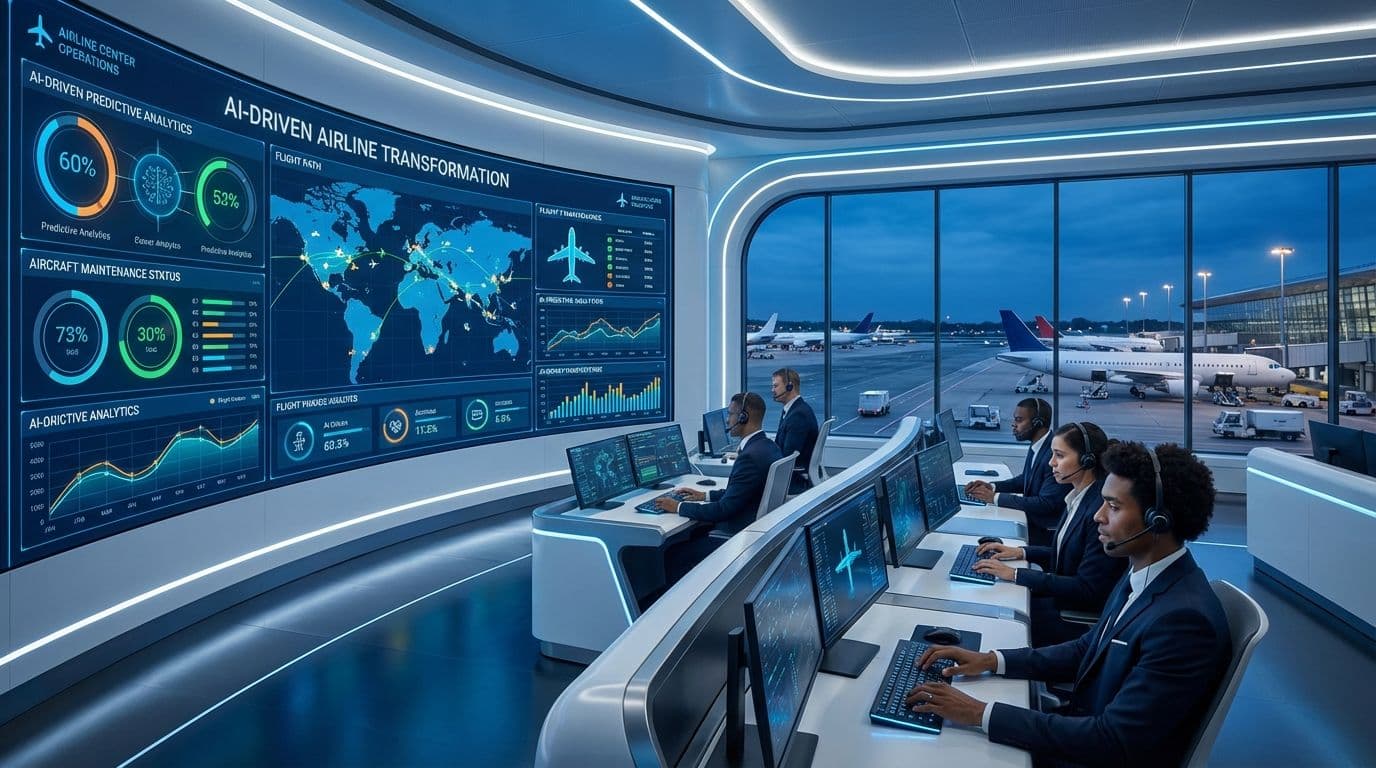
Delta Air Lines
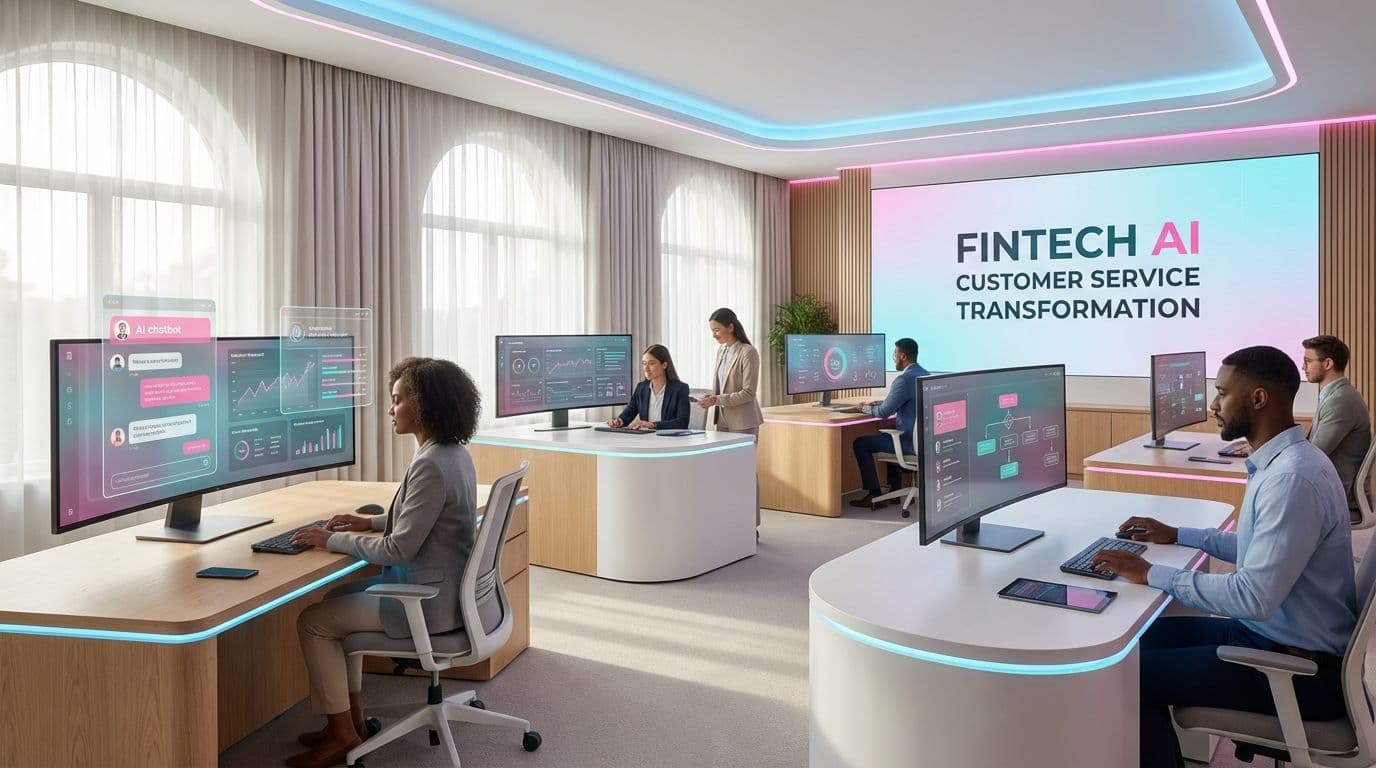
Klarna
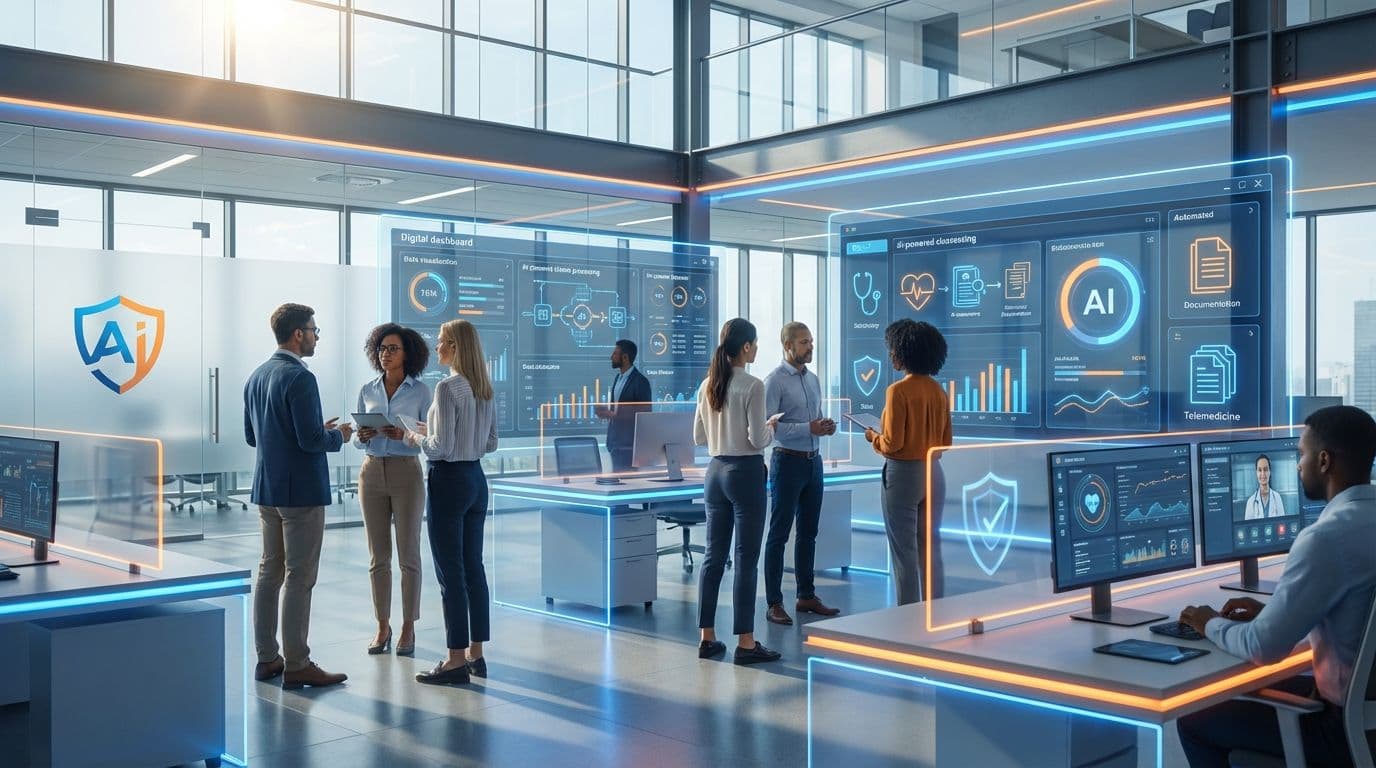
Oscar Health
THE LANDSCAPE
Fine dining establishments represent a high-stakes segment of the hospitality industry where exceptional culinary experiences, impeccable service, and sophisticated ambiance command premium pricing. These restaurants operate on thin profit margins despite high check averages, facing intense competition and demanding clientele who expect personalization and flawless execution.
AI technologies are transforming fine dining operations across multiple touchpoints. Intelligent reservation systems analyze booking patterns, guest preferences, and historical data to optimize table assignments and predict no-shows with 85% accuracy. Dynamic pricing algorithms adjust menu items based on ingredient costs, demand forecasting, and competitor analysis, protecting margins during supply chain volatility. Natural language processing analyzes guest reviews and feedback to identify service gaps and emerging preferences. Computer vision systems monitor kitchen operations to ensure plating consistency and reduce food waste by up to 30%.
DEEP DIVE
Key technologies include predictive analytics for demand forecasting, machine learning models for personalized wine pairings and menu recommendations, and conversational AI for reservation management and guest communication. Inventory management systems use AI to optimize purchasing decisions and minimize spoilage of premium ingredients.
INSIGHTS
Data-driven research and reports relevant to this industry
Forrester
Forrester's analysis of AI adoption maturity across Asia Pacific markets including Singapore, Australia, India, Japan, and Southeast Asia. Examines industry-specific adoption rates, barriers to AI imp
ASEAN Secretariat
Multi-year implementation roadmap for responsible AI across ASEAN member states. Defines maturity levels for AI governance, from basic awareness to advanced implementation. Includes self-assessment to
Oliver Wyman
Analysis of AI adoption across Asian markets. Singapore, Japan, and South Korea lead adoption, but China dominates in AI talent and investment. Southeast Asia growing fastest from low base. Key findin
Intuit QuickBooks
Quarterly tracking of AI adoption and its impact on mid-market financial health. Based on anonymized data from 7M+ QuickBooks users. mid-market companies adopting AI-powered tools see 15% lower delinq
Our team has trained executives at globally-recognized brands


YOUR PATH FORWARD
Every AI transformation is different, but the journey follows a proven sequence. Start where you are. Scale when you're ready.
ASSESS · 2-3 days
Understand exactly where you stand and where the biggest opportunities are. We map your AI maturity across strategy, data, technology, and culture, then hand you a prioritized action plan.
Get your AI Maturity ScorecardChoose your path
TRAIN · 1 day minimum
Upskill your leadership and teams so AI adoption sticks. Hands-on programs tailored to your industry, with measurable proficiency gains.
Explore training programsPROVE · 30 days
Deploy a working AI solution on a real business problem and measure actual results. Low risk, high signal. The fastest way to build internal conviction.
Launch a pilotSCALE · 1-6 months
Roll out what works across the organization with governance, change management, and measurable ROI. We embed with your team so capability transfers, not just deliverables.
Design your rolloutITERATE & ACCELERATE · Ongoing
AI moves fast. Regular reassessment ensures you stay ahead, not behind. We help you iterate, optimize, and capture new opportunities as the technology landscape shifts.
Plan your next phaseAI doesn't replace staff—it multiplies their effectiveness. By automating training (reducing onboarding from 6 weeks to 2), optimizing scheduling to prevent overstaffing, and handling routine tasks like inventory counting, each employee becomes more productive. AI also reduces burnout by eliminating tedious tasks, improving retention. This effectively creates the capacity of 1-2 additional staff members without hiring.
The opposite. By handling logistics (reservation optimization, inventory tracking, training modules), AI frees staff to focus on guest interaction and personalized service. Servers spend less time checking stock levels or guessing wine pairings, and more time reading the room, anticipating needs, and creating memorable experiences. Fine dining using AI report higher service quality scores, not lower.
AI can't control market prices, but it eliminates the 30-40% waste that destroys profitability. By predicting demand accurately, tracking portion sizes, and identifying theft patterns, AI ensures you only order what you'll use and catch losses before they compound. Restaurants using AI report 3-5 percentage point margin improvements—the difference between profit and loss on fine dining's 3-5% net margins.
Start with back-of-house use cases during slow periods: AI inventory tracking for dry storage, or training modules for new hires before they touch the floor. Pilot for 30-60 days to validate workflow fit, then expand to reservations and menu engineering. Most restaurants achieve full implementation within 3-6 months without service disruption.
Inventory waste reduction shows immediate ROI (30-60 days) through 30-40% lower food waste. Staff training delivers ROI within 3-6 months through 60% faster onboarding and reduced turnover costs. Table optimization shows 6-12 month ROI through 15-20% more covers per night. Most restaurants achieve full payback within one year while improving both profitability and service quality.
Let's discuss how we can help you achieve your AI transformation goals.
