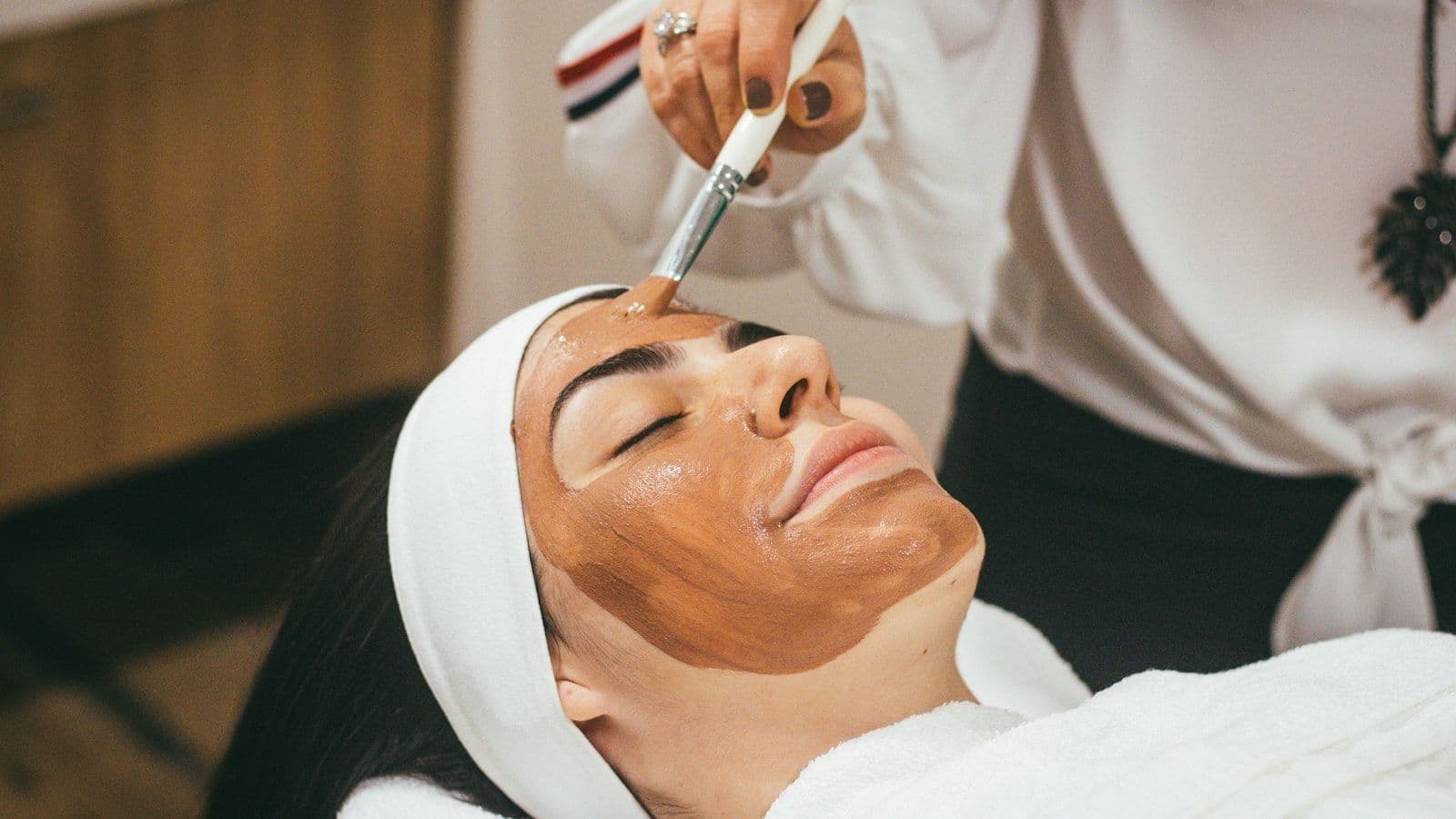
Medical Aesthetics
We help medical spas integrate AI into service bundling, guest personalization, retail optimization, and multi-location standardization while ensuring physician oversight compliance and regulatory adherence.
CHALLENGES WE SEE
Difficulty balancing medical compliance requirements with spa-like customer experience expectations
High client acquisition costs and low conversion rates from consultations to actual treatments
Inconsistent treatment outcomes and lack of personalized protocols leading to patient dissatisfaction
Complex inventory management for medical supplies, cosmetic products, and equipment with varying expiration dates
Staff scheduling challenges coordinating licensed medical professionals with aesthetic specialists
Inefficient pricing strategies that fail to optimize for treatment packages and seasonal demand fluctuations
HOW WE CAN HELP
Know exactly where you stand.
Prove AI works for your organization.
Transform how your leadership thinks about AI in 2-3 intensive days.
Turn base AI models into domain experts that know your business.
Automate clinical documentation and medical coding with AI.
Detect anomalies faster and triage urgent cases with AI support.
PROOF

Grab
Klarna

Octopus Energy
THE LANDSCAPE
Medical spas combine medical treatments with spa services offering cosmetic procedures, aesthetic treatments, and wellness services under medical supervision. The global medical aesthetics market reached $15.8 billion in 2023 and continues growing at 11% annually as consumers increasingly seek non-invasive cosmetic solutions.
AI personalizes treatment recommendations, predicts patient outcomes, automates appointment management, and optimizes pricing strategies. Machine learning analyzes patient photos to suggest optimal treatment protocols, while predictive analytics forecast results from procedures like Botox, fillers, laser treatments, and skin rejuvenation services. Computer vision technology enables virtual consultations and before-after simulations that increase patient confidence.
DEEP DIVE
Medical spas typically operate on membership models, package deals, and per-treatment pricing. Revenue drivers include repeat visits, treatment packages, retail product sales, and premium procedure upsells. The sector faces challenges including inconsistent patient follow-through, difficulty managing multi-provider schedules, seasonal demand fluctuations, and competitive pricing pressure.
INSIGHTS
Data-driven research and reports relevant to this industry
Forrester
Forrester's analysis of AI adoption maturity across Asia Pacific markets including Singapore, Australia, India, Japan, and Southeast Asia. Examines industry-specific adoption rates, barriers to AI imp
ASEAN Secretariat
Multi-year implementation roadmap for responsible AI across ASEAN member states. Defines maturity levels for AI governance, from basic awareness to advanced implementation. Includes self-assessment to
Oliver Wyman
Analysis of AI adoption across Asian markets. Singapore, Japan, and South Korea lead adoption, but China dominates in AI talent and investment. Southeast Asia growing fastest from low base. Key findin
Intuit QuickBooks
Quarterly tracking of AI adoption and its impact on mid-market financial health. Based on anonymized data from 7M+ QuickBooks users. mid-market companies adopting AI-powered tools see 15% lower delinq
Our team has trained executives at globally-recognized brands


YOUR PATH FORWARD
Every AI transformation is different, but the journey follows a proven sequence. Start where you are. Scale when you're ready.
ASSESS · 2-3 days
Understand exactly where you stand and where the biggest opportunities are. We map your AI maturity across strategy, data, technology, and culture, then hand you a prioritized action plan.
Get your AI Maturity ScorecardChoose your path
TRAIN · 1 day minimum
Upskill your leadership and teams so AI adoption sticks. Hands-on programs tailored to your industry, with measurable proficiency gains.
Explore training programsPROVE · 30 days
Deploy a working AI solution on a real business problem and measure actual results. Low risk, high signal. The fastest way to build internal conviction.
Launch a pilotSCALE · 1-6 months
Roll out what works across the organization with governance, change management, and measurable ROI. We embed with your team so capability transfers, not just deliverables.
Design your rolloutITERATE & ACCELERATE · Ongoing
AI moves fast. Regular reassessment ensures you stay ahead, not behind. We help you iterate, optimize, and capture new opportunities as the technology landscape shifts.
Plan your next phaseAI transforms booking conversion through intelligent scheduling and personalized patient engagement. Instead of playing phone tag or losing prospects who browse your website after hours, AI chatbots qualify leads in real-time, answer treatment questions, and book appointments 24/7. These systems understand medical spa-specific queries—distinguishing between someone asking about Botox for migraines versus cosmetic use, or recommending a consultation for complex concerns like facial volume loss that may require multiple treatment modalities. The real conversion boost comes from smart follow-up automation. When someone requests information about laser hair removal but doesn't book, AI triggers personalized sequences based on their specific interest, sends educational content about the procedure, and offers limited-time package deals when demand is lower. We've seen medical spas increase booking conversion from 15-20% to 30-40% by implementing AI that personalizes the entire journey from inquiry to appointment. Predictive analytics also optimize appointment timing by analyzing your historical data to identify when specific patient types are most likely to book and show up. For instance, working professionals may convert better for evening consultations, while certain demographics prefer weekend appointments for recovery treatments. This intelligence helps your front desk—or AI booking assistant—offer the right slots to the right people, reducing scheduling friction that kills conversions.
Most medical spas see measurable ROI within 3-6 months, though the timeline varies based on which AI applications you prioritize. Quick wins come from automated appointment management and patient communication tools—these typically pay for themselves within 60-90 days by reducing no-shows (which cost medical spas an average of $200-400 per missed appointment) and freeing up front desk staff to focus on high-value consultations rather than scheduling calls. Medium-term returns (4-8 months) come from AI-powered marketing personalization and inventory management. When you're sending targeted campaigns based on treatment history—reminding Botox patients to book their next appointment at the optimal 12-week mark, or offering filler promotions to patients who previously showed interest—you're driving repeat revenue without additional marketing spend. AI inventory systems prevent expensive waste of injectables and time-sensitive products while ensuring you're never out of stock for booked procedures, protecting both revenue and reputation. The most substantial long-term ROI comes from treatment outcome prediction and personalization tools that increase average transaction value. When computer vision AI shows prospective patients realistic before-after simulations during consultations, conversion rates for premium procedures increase significantly. Medical spas implementing comprehensive AI solutions typically see 35-50% revenue growth within the first year through combined improvements in conversion rates, average ticket size, patient retention, and operational efficiency. For a medical spa doing $1.5M annually, that translates to $525K-750K in additional revenue against typical AI implementation costs of $30K-80K annually.
The most critical risk is healthcare compliance, particularly HIPAA violations. Medical spas handle protected health information (PHI), and many general-purpose AI tools aren't designed for healthcare data security. Using a standard chatbot or CRM without proper Business Associate Agreements (BAAs) and encryption can result in substantial fines—$100 to $50,000 per violation. We always recommend ensuring any AI vendor servicing your medical spa is HIPAA-compliant, provides signed BAAs, and stores data with proper encryption and access controls. The second major challenge is maintaining the human touch that defines the medical spa experience. Patients come to medical spas for personalized, consultative care—not transactional interactions. Poorly implemented AI that feels robotic or makes inappropriate treatment suggestions can damage your brand. The key is using AI to augment your team's capabilities, not replace clinical judgment or the consultation experience. For example, AI should surface relevant patient history and suggest treatment options for your providers to review, not automatically recommend procedures without medical oversight. Data quality and integration issues also trip up many medical spas. If your AI tools can't communicate with your practice management system, electronic health records, and inventory management, you'll create more work rather than less. We've seen spas invest in AI only to have staff manually re-entering data between systems, negating efficiency gains. Start by auditing your current technology stack and prioritizing AI solutions that integrate with your existing platforms. Finally, there's the staff adoption challenge—your team needs proper training and must understand how AI helps them serve patients better, not threatens their roles.
Start with your biggest pain point rather than trying to transform everything at once. Most medical spa owners identify one of three areas as their primary challenge: appointment management and patient communication, inconsistent revenue from poor retention and follow-through, or inefficient marketing spend. Pick the AI solution that directly addresses your specific bottleneck. If you're losing thousands monthly to no-shows and last-minute cancellations, implement AI-powered appointment reminders and smart rebooking first. If patient retention is weak, start with AI that automates follow-up sequences based on treatment cycles. Before investing in any AI tools, spend two weeks documenting your current processes and metrics. What's your current no-show rate, booking conversion rate, average patient lifetime value, and cost per acquisition? You need these baselines to measure AI's actual impact. Then evaluate 3-4 vendors in your priority area, specifically asking about medical spa experience, HIPAA compliance, integration capabilities with your existing systems, and implementation support. Request case studies from similar-sized medical spas, not just generic healthcare examples. We recommend planning for a 90-day pilot with clear success metrics. Implement one AI solution with a small subset of your operations—perhaps automated patient communication for one provider's schedule or AI-powered marketing for a single service line like injectables. This contained approach lets your team learn the technology, reveals integration issues before they're widespread, and provides concrete data on ROI before you expand. Most importantly, assign an internal champion (often a tech-savvy medical assistant or operations manager) who owns the implementation and trains others. AI initiatives fail most often due to lack of internal ownership, not technology limitations.
Yes, AI can predict aesthetic treatment outcomes with increasing accuracy, but it's essential to understand both its capabilities and limitations. Computer vision AI analyzes thousands of before-after photos to learn patterns in how specific treatments affect different skin types, ages, facial structures, and aesthetic concerns. For established procedures like neuromodulators and dermal fillers, these systems can show patients realistic simulations of potential results. The technology is sophisticated enough to account for factors like skin laxity, volume loss patterns, and facial anatomy that affect outcomes. However, these are predictions, not guarantees—and this distinction must be crystal clear in patient consultations. We recommend positioning AI-generated outcome predictions as educational tools that enhance informed consent, not as promises of specific results. The most effective approach is having providers review AI-generated simulations before patient consultations, adjusting them based on clinical judgment, and using them as conversation starters about realistic expectations. This actually reduces liability by ensuring patients understand what's achievable while increasing conversion because they can visualize their potential results. The reliability varies significantly by treatment type and AI system quality. Outcome prediction for relatively standardized treatments like laser hair removal or chemical peels tends to be more accurate than complex combination treatments involving multiple modalities. Look for AI systems trained on diverse patient populations that match your clientele, and that allow provider override and customization. Medical spas using outcome prediction AI responsibly report higher patient satisfaction scores because expectations are better managed from the first consultation, leading to fewer disappointments and better reviews. The key is positioning AI as a clinical decision support tool that enhances—never replaces—your providers' expertise and judgment.
Let's discuss how we can help you achieve your AI transformation goals.
