Showing 12 of 830 articles

50 essential security questions for AI vendor evaluation across data handling, security controls, compliance, and AI-specific concerns. Includes red flag answer indicators.

Complete due diligence methodology for assessing AI vendor security. Includes documentation requirements, evaluation criteria, red flags, and decision frameworks.

Comprehensive guide to protecting student data in AI systems. Covers EdTech evaluation, consent frameworks, and school-specific security controls.

Comprehensive guide to preventing data leakage through AI systems. Covers technical controls like DLP, policy frameworks, shadow AI detection, and incident response.

Implement comprehensive AI data protection with this 15-point security checklist. Each control includes implementation guidance and success criteria.

Understand the unique data security challenges of AI systems. Covers data classification, access controls, encryption, vendor practices, and essential controls.

Learn proven strategies to communicate your AI policy effectively. Includes stakeholder mapping, phased rollout plans, training design, and measurement frameworks.
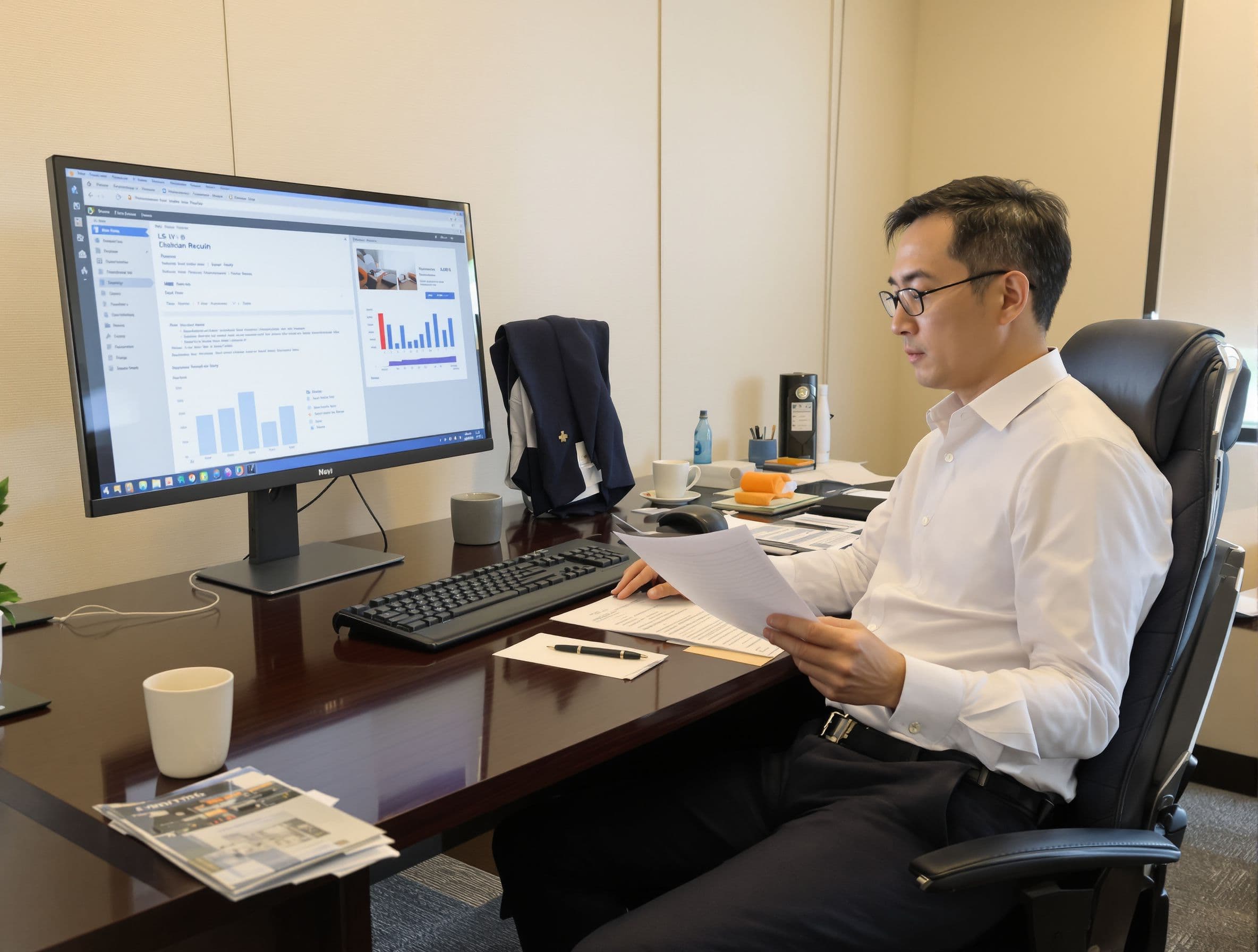
Learn how to create a practical generative AI policy that sets clear boundaries for ChatGPT, Claude, and similar tools while enabling productive use across your organization.

Master enterprise AI contract negotiation with proven tactics that deliver 20-40% savings: volume commitments, multi-year locks, bundled support, and competitive leverage.

Complete AI Acceptable Use Policy template ready to customize. Covers approved tools, permitted uses, data rules, prohibited activities, and compliance.

Complete guide to AI policy components: purpose, scope, principles, acceptable use, data handling, risk management, and more. Includes policy checklist.
Navigate the complex legal landscape of AI liability. Understand product liability, professional negligence, algorithmic accountability, and emerging AI-specific liability frameworks across jurisdictions.
Book an AI Readiness Audit to identify opportunities and risks specific to your organization.
