
SkillsFuture AI Training for Managers: Building Team Capability
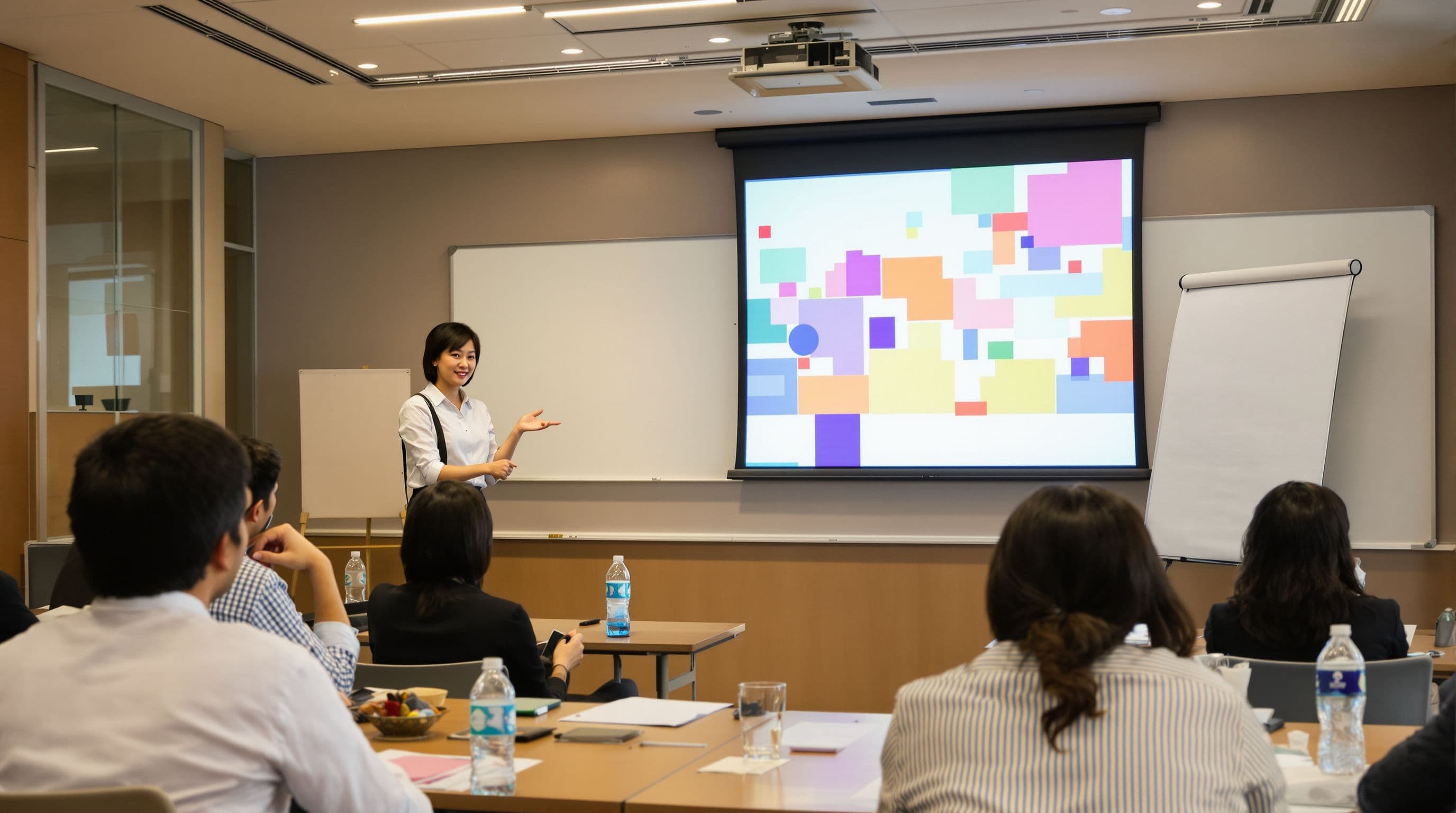
Managers are the bridge between executive AI strategy and frontline execution. This guide covers SkillsFuture-funded AI training for managers, enabling you to lead AI adoption, manage AI-powered teams, and drive operational transformation.
- Singapore Citizen or Permanent Resident
- Currently in management, supervisory, or team lead role
- Age 40+ for maximum 90% MCES subsidy
- Age 25-39 for 70% subsidy
- No specific educational prerequisites for most manager programs
- Identify AI training needs for your management role
- Browse manager-focused AI programs on MySkillsFuture portal
- Verify your automatic subsidy rate (70-90% based on age)
- Discuss with your employer about using company SFEC for additional funding
- Register using SingPass
- Pay subsidized course fee (can use SkillsFuture Credit for balance)
- Complete the program and apply learning to your team immediately
Why Managers Are Critical to AI Success
Research consistently shows that AI transformation fails without middle management buy-in. Managers translate executive vision into daily operations, coach teams through change, and troubleshoot implementation challenges. Yet managers often feel caught between pressure from above and resistance from below.
SkillsFuture-funded AI training equips managers with:
Technical Literacy: Understand AI tools your team uses
Change Management Skills: Lead teams through AI adoption smoothly
Project Management: Oversee AI implementations from pilot to production
Coaching Ability: Upskill team members and address AI-related concerns
AI Competencies for Managers
Manager AI training balances strategic understanding with practical application:
Understanding AI in Your Domain
- How AI works in your specific function (sales, operations, finance, HR, etc.)
- Common AI use cases relevant to your team's work
- Identifying opportunities for AI-driven efficiency
- Evaluating AI tool vendors and solutions
Managing AI-Powered Teams
- Redesigning workflows when AI automates tasks
- Redefining roles and responsibilities in AI-augmented teams
- Addressing employee concerns about AI and job security
- Measuring team productivity in AI-enabled environments
AI Project Management
- Planning and scoping AI projects with realistic timelines
- Collaborating with data scientists and AI engineers
- Managing AI pilot programs and scaling successful initiatives
- Troubleshooting common AI implementation challenges
Data Literacy for Managers
- Understanding data quality and its impact on AI performance
- Reading and interpreting AI model outputs
- Making decisions based on AI recommendations
- Recognizing when AI insights should be questioned
SkillsFuture-Funded Manager AI Programs
WSQ Diploma in AI and Data Analytics (Manager Track)
Duration: 6-12 months part-time
Format: Evening/weekend classes
Target: Mid-level managers across functions
Curriculum Highlights:
- AI for Business Operations
- Managing AI Projects and Teams
- Data-Driven Decision Making
- AI Tool Selection and Implementation
- Change Management for AI Adoption
Funding: 70% subsidy for managers under 40, 90% for managers 40+
Example: A 38-year-old operations manager enrolls in this S$8,000 program. With 70% subsidy, they pay S$2,400, then use S$500 SkillsFuture Credit, leaving S$1,900 out-of-pocket.
Certificate in AI for Department Leaders
Duration: 3-6 months part-time
Format: Modular, flexible scheduling
Target: Department heads, team leads, supervisors
Curriculum Highlights:
- AI Applications in Your Industry
- Managing Hybrid Human-AI Workflows
- Team Training and Development
- AI Performance Metrics and KPIs
Funding: 70-90% subsidy, making S$3,000-5,000 programs affordable
Function-Specific AI Management Courses
Many training providers offer manager courses tailored to specific functions:
Sales Managers: "AI for Sales Leadership" (CRM AI, predictive sales analytics, AI-powered lead scoring)
Operations Managers: "AI in Operations Management" (process automation, predictive maintenance, supply chain AI)
HR Managers: "AI for People Leaders" (recruitment AI, performance analytics, workforce planning)
Finance Managers: "AI in Financial Management" (forecasting, risk assessment, fraud detection)
These function-specific courses are typically 2-4 months and highly practical.
How Managers Access SkillsFuture Funding
Individual Funding Sources
- SkillsFuture Credit: S$500+ (all Singaporeans 25+)
- MCES: 90% subsidy if you're 40+
- Standard Subsidy: 70% if you're under 40
Company Funding Support
Encourage your employer to contribute:
SkillsFuture Enterprise Credit (SFEC): Companies have S$10,000 to train employees. Request your company fund your manager AI training.
Training Leave: Negotiate paid time off for course attendance
Study Reimbursement: Some companies reimburse remaining course fees post-completion
Stacking Example: 41-Year-Old Manager
WSQ Diploma in AI for Managers (S$8,000)
- MCES Subsidy (90%): -S$7,200
- Net Cost: S$800
- Company SFEC Applied: -S$800
- Manager's SkillsFuture Credit: S$0 used
- Manager Out-of-Pocket: S$0
Result: Free advanced AI training through combined funding.
Choosing the Right Manager AI Program
Assess Your Team's AI Readiness
Early Stage (No AI Adoption Yet): Start with foundational AI courses to understand possibilities before leading implementation.
Pilot Stage (Testing AI Tools): Focus on AI project management and change management to successfully scale pilots.
Scaling Stage (Expanding AI Use): Emphasize advanced topics like AI performance optimization and team upskilling.
Match Training to Your Function
Sales & Marketing Managers: Prioritize AI in customer engagement, predictive analytics, and marketing automation.
Operations & Supply Chain Managers: Focus on process automation, predictive maintenance, and inventory optimization.
Finance & Accounting Managers: Emphasize AI in forecasting, risk management, and financial planning.
HR & People Managers: Choose programs covering recruitment AI, employee analytics, and workforce planning.
IT & Technology Managers: Select technical programs covering AI architecture, tool integration, and data governance.
Consider Your Career Goals
Staying in Management: WSQ Diploma provides recognized credentials for career advancement
Moving to Leadership: Consider programs with strategic AI content to prepare for director/VP roles
Specializing in AI: Pursue advanced AI certifications to become an AI specialist or consultant
Industry-Specific Manager AI Training
Financial Services Managers
Banking and insurance managers face regulatory complexity. Training includes:
- AI compliance and regulatory requirements (MAS guidelines)
- Credit risk modeling and underwriting AI
- Customer analytics and personalization
- Fraud detection and prevention
Programs often include guest speakers from Singapore financial institutions.
Healthcare Managers
Clinical and administrative managers need specialized knowledge:
- AI in patient care workflows
- Healthcare data privacy and security
- Medical device AI integration
- Hospital operations optimization
Training emphasizes patient safety and ethical considerations unique to healthcare.
Retail Managers
Retail operations managers benefit from:
- Inventory management AI
- Customer behavior prediction
- Dynamic pricing strategies
- Store operations automation
Case studies from Singapore retail chains provide practical context.
Manufacturing Managers
Production and quality managers learn:
- Predictive maintenance for equipment
- Quality control automation
- Production scheduling optimization
- Supply chain resilience
Hands-on factory visits show AI in action.
Leading Your Team Through AI Adoption
Communication Strategies
Managers trained in AI can effectively communicate:
To Executives: Report on AI implementation progress, ROI, and resource needs using data-driven insights.
To Teams: Explain how AI changes workflows, address job security concerns transparently, and celebrate AI-enabled wins.
To Cross-Functional Peers: Collaborate on company-wide AI initiatives, share best practices, and coordinate dependencies.
Change Management Tactics
Involve Teams Early: Include employees in AI tool selection and pilot design to build ownership.
Provide Training: Use your AI knowledge to coach team members, or arrange group training.
Set Clear Expectations: Define new KPIs and success metrics for AI-augmented work.
Address Resistance: Understand concerns, provide data on AI benefits, and share success stories.
Pilot Program Management
Managers often lead AI pilots. Best practices:
- Start Small: Choose one process or team for initial AI deployment
- Measure Baseline: Document pre-AI performance metrics
- Set Milestones: Define 30-60-90 day success criteria
- Collect Feedback: Regular check-ins with users to refine implementation
- Document Learnings: Capture lessons to inform broader rollout
- Celebrate Wins: Publicize successes to build momentum
Building AI Skills Within Your Team
Creating a Learning Culture
Managers who complete AI training can:
Host Lunch-and-Learns: Share key concepts from your training with your team
Assign AI Projects: Give team members hands-on AI implementation tasks
Facilitate Peer Learning: Pair AI-savvy employees with those needing support
Recognize AI Adoption: Celebrate team members who embrace AI tools effectively
Team Training Programs
Leverage company SFEC to train your entire team:
- Manager: WSQ Diploma in AI (S$8,000)
- 5 Team Members: AI Fundamentals (S$1,000 each = S$5,000)
- Total: S$13,000 in training using S$10,000 SFEC + S$3,000 subsidies
This creates shared AI vocabulary and capabilities across your department.
Measuring Success Post-Training
How do you know your AI training investment paid off?
Short-Term Indicators (0-6 months)
- Successfully launched at least one AI pilot or implementation
- Team members report understanding AI's role in their work
- Reduced time spent on manual tasks previously suited for AI
- Improved collaboration with technical teams (data scientists, IT)
Medium-Term Indicators (6-18 months)
- Measurable productivity gains (time saved, output increased)
- Cost reductions from AI-driven process optimization
- Team morale improvements as mundane tasks are automated
- Recognition from leadership for successful AI adoption
Long-Term Indicators (18+ months)
- Promoted to higher management role due to AI leadership
- Expanded scope managing additional AI-enabled teams
- Invited to advise other departments on AI adoption
- Industry recognition or conference speaking on AI management
Common Questions for Managers
Do I need technical skills to manage AI projects?
No programming required, but you need conceptual understanding of how AI works, what data it needs, and how to evaluate its outputs. Manager AI courses provide this without requiring coding.
How do I convince my employer to fund my training?
Present a business case: show how your AI training enables faster AI adoption, reduces implementation risks, and improves team productivity. Emphasize that company SFEC (S$10,000) covers the cost.
What if my team resists AI?
Resistance is normal. Address concerns directly: explain AI augments rather than replaces jobs, involve team in tool selection, provide training, and share early wins. Your AI training equips you with change management strategies.
Should I train before or after my company adopts AI?
Before is ideal—you'll guide implementation more effectively. But training during or after adoption is still valuable to optimize ongoing efforts and lead future initiatives.
Next Steps: Enrolling in Manager AI Training
- Assess Your Needs: What AI challenges do you face as a manager?
- Browse Manager AI Courses: Visit MySkillsFuture, filter by management and AI
- Check Funding Eligibility: Confirm your subsidy rate (70-90%)
- Discuss with Your Manager: Align training with company AI priorities
- Request Company Support: Ask for SFEC funding or training leave
- Register: Use SingPass to enroll in your chosen program
- Plan Application: Identify specific AI projects to lead post-training
For guidance on manager AI training that aligns with your function and industry, contact Pertama Partners. We help Singapore managers build AI leadership capabilities across sectors.
Common Questions
No, manager AI programs focus on strategic and operational aspects, not programming. You'll learn how AI works conceptually, how to manage AI projects, and how to lead AI adoption—no coding required. Technical implementation is handled by specialists.
Present a business case showing how your training enables faster, more successful AI adoption. Mention that company SFEC (S$10,000 credit) can cover the cost. Emphasize benefits: reduced implementation risks, better change management, improved team productivity, and competitive advantage.
Yes! Use company SFEC (S$10,000) to train multiple team members. For example, train yourself as a manager (S$8,000 course) and 4-5 employees in AI fundamentals (S$1,000 each). Combine with individual subsidies for maximum coverage.
Manager AI training includes change management strategies for addressing resistance. Key tactics: involve teams early in tool selection, provide training and support, address job security concerns transparently, start with small wins, and recognize early adopters. Your training prepares you for these challenges.
Before is ideal—you'll guide implementation more effectively and avoid costly mistakes. However, training during or after adoption is still valuable for optimizing existing AI initiatives and preparing for future projects. Either timing works.
References
- SkillsFuture Singapore Official Website. SkillsFuture Singapore (SSG) (2026). View source
- SkillsFuture Credit. SkillsFuture Singapore (2026). View source
- SSG Course Directory. SkillsFuture Singapore (2026). View source
- •WSQ Diploma in AI and Data Analytics (Manager Track)
- •Certificate in AI for Department Leaders
- •AI for Sales Leadership
- •AI in Operations Management
- •AI for People Leaders (HR Managers)
- •AI in Financial Management
- •AI Project Management and Implementation
- •Change Management for AI Adoption
- •Data-Driven Decision Making for Managers
Explore AI consulting, training, and solutions in Singapore.
View Singapore hubReady to Explore AI Training in Singapore?
We help organizations navigate funding programs and deliver claimable AI training. Let us know what you are working on.
Start a Conversation